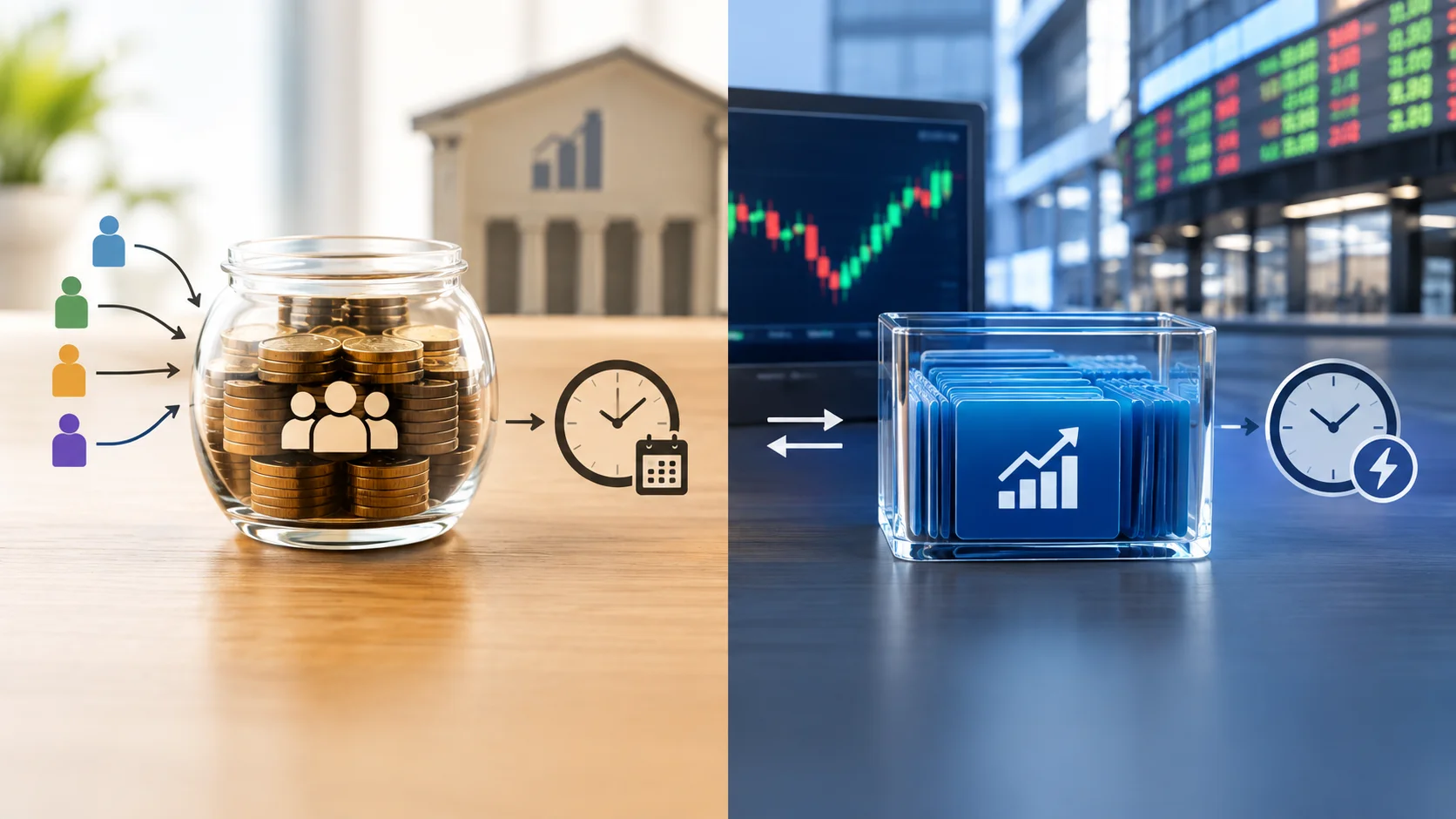

Exchange-traded funds have revolutionized investing by offering a simple way to build a diversified portfolio. Because they trade on exchanges like regular stocks, you can buy and sell them throughout the trading day. However, this convenience comes with a hidden mechanism that every investor should understand: the bid-ask spread.
Under normal market conditions, this spread is often so small that most everyday investors barely notice it. But when market volatility spikes—driven by breaking news, economic reports, or global events—trading dynamics change. Understanding how to navigate these turbulent periods can help you avoid unnecessary costs and keep more of your hard-earned money.
What Is a Bid-Ask Spread?
Whenever you look at an asset on a trading platform, you will actually see two different prices. According to the U.S. Securities and Exchange Commission, the bid price is the highest amount. a buyer is currently willing to pay for a share. The ask price is the lowest amount a seller is willing to accept to part with a share.
The difference between these two numbers is the bid-ask spread. Think of it as a small toll you pay to execute a trade. If you buy a share, you pay the higher ask price. If you turn around and immediately sell it, you receive the lower bid price. In a calm, highly liquid market, this difference might be just a penny or two.
Why Volatility Widens the Gap
To ensure you can always buy or sell when you want, financial professionals known as market makers step in to facilitate trades. They constantly quote both bid and ask prices, making a small profit on the spread in exchange for taking on the risk of holding the asset.
When markets become highly volatile and prices swing wildly, market makers face a much higher risk. To protect themselves from sudden price drops while they hold the shares, they demand a larger premium. As a result, they lower their bid prices and raise their ask prices, causing the spread to widen significantly.
The Hidden Cost to Investors
A wide bid-ask spread acts as a direct drag on your investment returns. While a few extra cents per share might not sound alarming, those costs add up quickly over time—dramatically affecting your long-term wealth growth (which you can visualize using a Compound Interest Calculator.
| Market Condition | Bid Price | Ask Price | Spread Cost per 100 Shares |
|---|---|---|---|
| Calm Market | $50.00 | $50.02 | $2.00 |
| High Volatility | $49.80 | $50.20 | $40.00 |
As the table above illustrates, trading during a volatile session can dramatically increase your execution costs, effectively putting your investment at an immediate loss before the market even moves.
Use Limit Orders for Protection
The single best defense against wide spreads during volatile periods is to change how you place your trades. Many beginners use market orders, which tell the brokerage to buy or sell immediately at the best available current price. In a turbulent market, a market order can result in you paying a surprisingly high ask price or accepting a shockingly low bid price.
Instead, you should use limit orders. A limit order allows you to specify the exact price you are willing to pay (or accept). If the market does not meet your price, the trade simply does not execute. This guarantees that a suddenly widening spread will not catch you off guard.
Time Your Trades Wisely
The time of day you choose to trade also plays a crucial role in the size of the bid-ask spread. Volatility tends to be highest right after the opening bell and just before the market closes. During the open, the market is reacting to overnight news. Near the close, large institutions are often rushing to adjust their portfolios.
Rule of Thumb: Avoid trading ETFs during the first 30 minutes and the last 30 minutes of the regular trading day. The middle of the day is generally when trading volume is steadiest and spreads are the narrowest.
Additionally, if your fund holds international assets, try to trade when the underlying foreign market is also open. For example, if you are trading a European fund, executing your trade in the morning (U.S. time) while European markets are still open typically results in tighter spreads.
Summary
Market volatility is a normal part of investing, but it does not have to cost you extra money. By understanding the bid-ask spread, recognizing how uncertainty drives up trading costs, utilizing limit orders, and avoiding the most chaotic times of the trading day, you can confidently navigate turbulent markets and protect your investment returns.